


Introduction
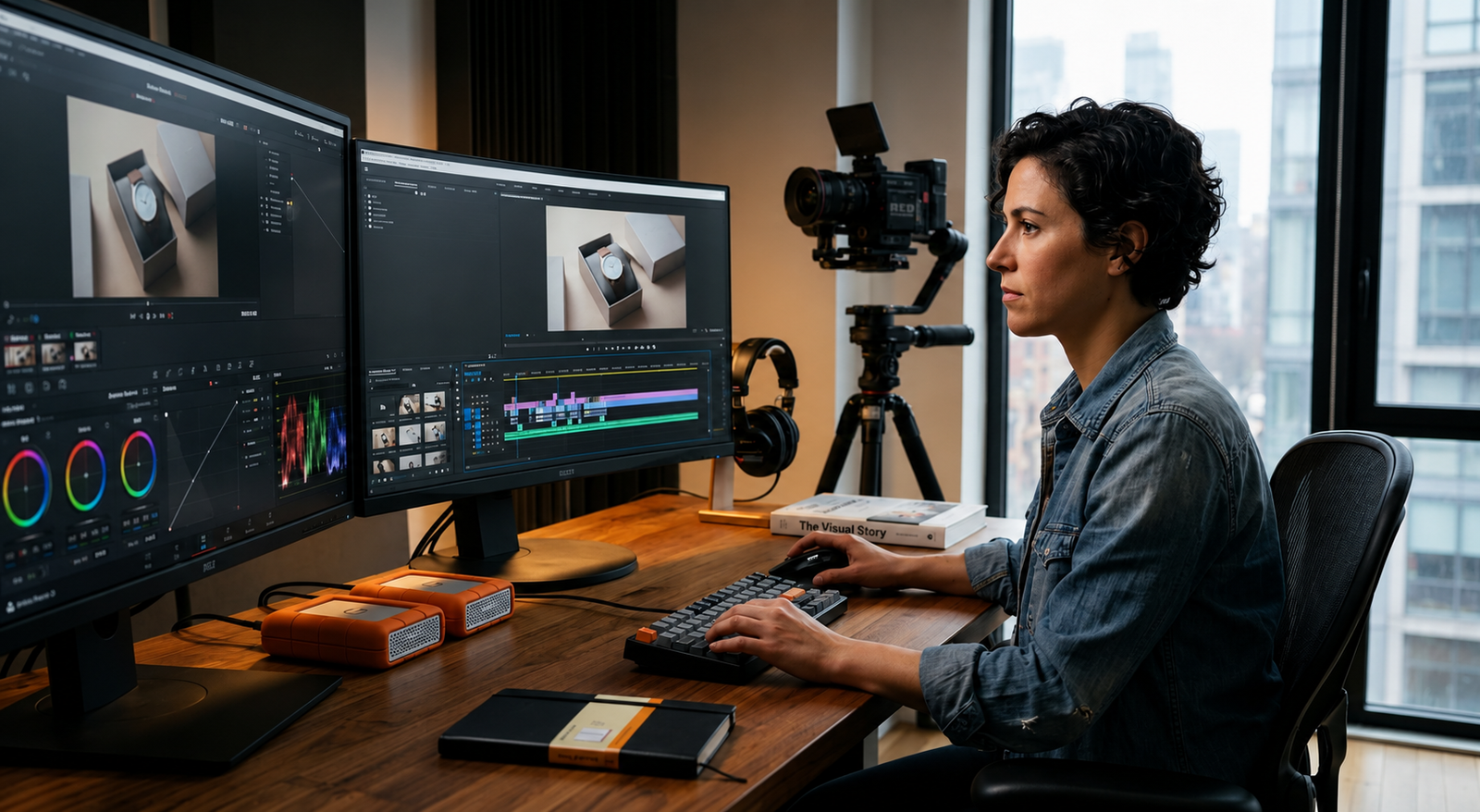
Have you ever watched a simple brand video and wondered why it feels so expensive and professional, even though the setup looks minimal? The secret usually isn’t the camera — it’s the editing.
Today, audiences scroll through hundreds of videos every day on YouTube, Instagram, LinkedIn, and TikTok. Because of this, brands only have a few seconds to capture attention. That’s why professional video editing has become one of the biggest factors in modern marketing success.
Top companies understand that premium-looking videos are created during post-production. Smooth cuts, cinematic color grading, clean sound design, engaging motion graphics, and emotional storytelling can completely transform ordinary footage into powerful brand content.
The good news is that you don’t always need expensive cameras or massive production budgets to create high-quality visuals. With the right video editing techniques, even simple videos can look polished, cinematic, and engaging.
In this blog, we’ll reveal the video editing secrets used by top brands to make their content stand out online and connect with audiences more effectively.
Why Video Editing Matters More Than Expensive Cameras
Many people assume premium videos are only possible with high-end cameras and costly production equipment. Editing has a far greater impact on the viewer’s overall experience than many people realize.
A well-edited video controls pacing, emotion, attention, and storytelling. Even footage captured on a smartphone can look professional when edited correctly. On https://octospark.ai/blog/video-marketing-automation-tools-complete-review-2025the other hand, raw footage from an expensive camera can still look boring without proper post-production.
Professional video editing helps brands:
-
Build trust and credibility
-
Increase audience retention
-
Improve engagement on social media
-
Deliver clear brand messaging
-
Create an emotional connection with viewers
Modern audiences care more about clarity, storytelling, and entertainment than technical perfection. This is why many successful social media campaigns focus heavily on cinematic editing, sound design, and fast-paced storytelling rather than expensive production setups.
Brands that invest in quality video production and editing often see better conversion rates, stronger brand identity, and improved online visibility.
Secret #1 – Clean and Fast Cuts Keep Viewers Hooked
One of the biggest editing secrets used by professional creators is simple: remove everything unnecessary.
Top brands keep their videos tight, fast, and engaging. Long pauses, repeated sentences, and slow pacing instantly reduce viewer attention. Clean cuts create energy and keep audiences focused from beginning to end.
This is especially important for short-form video marketing platforms like Instagram Reels, YouTube Shorts, and TikTok, where attention spans are extremely short.
Professional editors often:
-
Cut out dead space
-
Remove filler words
-
Use jump cuts strategically
-
Match cuts with music beats
-
Maintain visual movement
Fast-paced video editing helps videos feel modern and dynamic. However, balance is important. Over-editing can make videos feel chaotic, while smooth pacing creates a premium viewing experience.
When viewers stay engaged longer, platforms are more likely to push the content to larger audiences, increasing reach and visibility.
Secret #2 – Color Enhancement Gives Videos a Cinematic Feel
Color grading is one of the fastest ways to make a video look premium.
Top brands use cinematic color grading to create mood, emotion, and visual consistency. This process enhances footage by adjusting brightness, contrast, saturation, and color tones to achieve a professional style.
There are two important steps:
-
Color Correction – Fixing exposure and natural colors
-
Color Grading – Creating a specific cinematic look
For example:
-
Warm tones create emotional and welcoming visuals
-
Cool tones create modern and dramatic moods
-
High contrast adds intensity
-
Soft tones create luxury aesthetics
Professional editors use tools like:
-
Adobe Premiere Pro
-
DaVinci Resolve
-
Final Cut Pro
Even subtle adjustments can dramatically improve video quality. Consistent color grading also helps brands maintain a recognizable visual identity across all platforms.
Many premium commercials look expensive mainly because of excellent lighting and professional color grading rather than complex filming equipment.
Secret #3 – Sound Design Changes Everything
Great visuals attract viewers, but great audio keeps them emotionally connected.
One major difference between amateur and professional videos is sound design. Poor audio instantly makes videos feel low quality, even if the visuals look good.
Top brands carefully edit:
-
Background music
-
Voiceovers
-
Ambient sounds
-
Sound effects
-
Audio transitions
Music plays a huge role in storytelling. A simple scene can feel emotional, exciting, luxurious, or dramatic depending on the soundtrack.
Professional sound design also creates smoother transitions between scenes and keeps viewers immersed in the content.
Important audio editing techniques include:
-
Noise reduction
-
Audio balancing
-
Clear voice enhancement
-
Beat synchronization
-
Layered sound effects
Many successful brand videos use subtle sound effects that audiences barely notice consciously, but these details make the final product feel polished and cinematic.
Secret #4 – Animated Graphics and Dynamic Text Effects
Modern audiences consume content quickly, which is why motion graphics have become essential in professional video editing.
Animated text and graphics help:
-
Highlight key information
-
Improve viewer understanding
-
Increase retention
-
Make videos feel modern and premium
Top brands usually keep graphics clean and minimal rather than overly flashy.
Common motion graphic elements include:
-
Animated titles
-
Logo reveals
-
Lower thirds
-
CTA animations
-
Product highlights
-
Kinetic typography
Smooth motion graphics add professionalism without distracting viewers from the core message.
For social media video editing, captions are especially important because many users watch videos without sound. Dynamic subtitles improve accessibility and engagement simultaneously.
Professional editors carefully match animations with brand colors, fonts, and overall visual identity to maintain consistency.
Secret #5 – Transitions should blend seamlessly and enhance the viewing experience without causing distractions.
One common mistake beginners make is overusing flashy transitions.
Top brands prefer seamless editing techniques that feel natural and smooth. The goal of transitions is to guide viewers through the story without pulling attention away from the message.
Simple cuts are often more effective than complicated effects.
Professional editors commonly use:
-
Match cuts
-
Speed ramps
-
Zoom transitions
-
Motion blur transitions
-
Whip pans
-
Fade transitions
The best transitions are often invisible because they maintain viewing flow naturally.
Smooth transitions also improve storytelling by connecting scenes emotionally and visually. When done correctly, viewers stay immersed without noticing the technical editing behind the scenes.
Secret #6 – The Storytelling Techniques Followed by Leading Brands
Premium editing is not only about visuals — it’s about storytelling.
The most successful marketing videos follow a structured narrative designed to hold attention and create emotional impact.
A common brand storytelling structure looks like this:
Hook
Capture attention immediately with an interesting visual, question, or problem.
Problem
Show the audience’s challenge or pain point.
Solution
Introduce the product, service, or message naturally.
Emotional Connection
Use visuals, music, and editing to create trust and relatability.
Call to Action
Encourage viewers to take the next step.
Professional video storytelling keeps viewers emotionally invested from start to finish. This is why branded content often performs better when it feels authentic rather than overly promotional.
Modern audiences connect more with stories than advertisements.
Best Video Editing Software Used by Professionals
Choosing the right editing software can significantly improve workflow and production quality.
Here are some of the most popular professional video editing tools:
Adobe Premiere Pro
Widely used for corporate video production, YouTube editing, commercials, and marketing campaigns.
Best For:
-
Professional editing
-
Motion graphics integration
-
Team collaboration
DaVinci Resolve
Known for advanced cinematic color grading and professional post-production features.
Best For:
-
Film-style editing
-
Color correction
-
High-end visuals
Final Cut Pro
Popular among Mac users for its speed and smooth performance.
Best For:
-
Fast editing workflows
-
Content creators
-
Professional social media editing
CapCut
A beginner-friendly tool that has become popular for short-form video editing.
Best For:
-
TikTok videos
-
Quick mobile editing
The best software depends on project goals, workflow needs, and editing style.
Common Video Editing Mistakes That Make Videos Look Cheap
Even high-quality footage can look unprofessional when editing mistakes are ignored.
Some common issues include:
Overusing Transitions
Too many effects make videos feel outdated and distracting.
Poor Audio Quality
Background noise and unclear voices reduce credibility instantly.
Inconsistent Colors
Different color tones across scenes make videos feel messy.
Excessive Text
Too much on-screen text overwhelms viewers.
Weak Storytelling
Without structure, viewers lose interest quickly.
Ignoring Branding
Inconsistent fonts, colors, and visual style weaken brand identity.
Professional editing focuses on clarity, consistency, and emotional connection rather than unnecessary effects.
How IQ Media Helps Brands Create Premium Videos
At IQ Media, we believe powerful videos are built through creativity, storytelling, and professional editing techniques.
Our team specializes in:
-
Corporate video production
-
Social media video editing
-
Cinematic color grading
-
Motion graphics design
-
Brand storytelling videos
-
Promotional video editing
-
YouTube content production
We help brands turn ordinary footage into high-quality visual content that boosts audience engagement, builds credibility, and enhances brand recognition.
Whether it’s a corporate presentation, product advertisement, event coverage, or social media campaign, our editing workflow focuses on delivering visually polished and emotionally engaging content.
By combining modern editing styles with marketing-focused storytelling, IQ Media creates videos designed to perform across digital platforms.
Conclusion
Creating premium videos is no longer about owning the most expensive camera equipment. Today, the real difference comes from editing.
Clean cuts, cinematic color grading, professional sound design, smooth transitions, motion graphics, and strong storytelling can completely transform simple footage into engaging brand content.
Top brands understand that audiences remember how a video feels more than the equipment used to shoot it. That’s why investing in professional video editing can dramatically improve viewer engagement, online visibility, and brand perception.
As video marketing continues to dominate digital platforms, businesses that focus on quality storytelling and post-production will stand out from the competition.
If you want your brand videos to look more professional, cinematic, and impactful, mastering these editing secrets is the perfect place to start.
FAQs
How do professional videos look cinematic?
Professional videos look cinematic through color grading, lighting, smooth editing, sound design, and storytelling techniques.
Can simple videos look premium through editing?
Yes. Skilled video editing can significantly improve video quality, pacing, visuals, and emotional impact even with simple footage.
Which video editing software is commonly used by professionals?
Adobe Premiere Pro, DaVinci Resolve, and Final Cut Pro are among the most popular professional editing tools.
Why is sound design important in video editing?
Sound design improves emotional connection, viewer immersion, and overall production quality.
What are the biggest video editing mistakes?
Common mistakes include poor audio, excessive transitions, inconsistent colors, weak storytelling, and cluttered visuals.
Call to Action
Want to give your brand videos a more polished and high-end appearance?
🎬 Upgrade your video content today with IQ Media.
📞 Contact us now to discuss your next video project and create content that truly stands out online.