


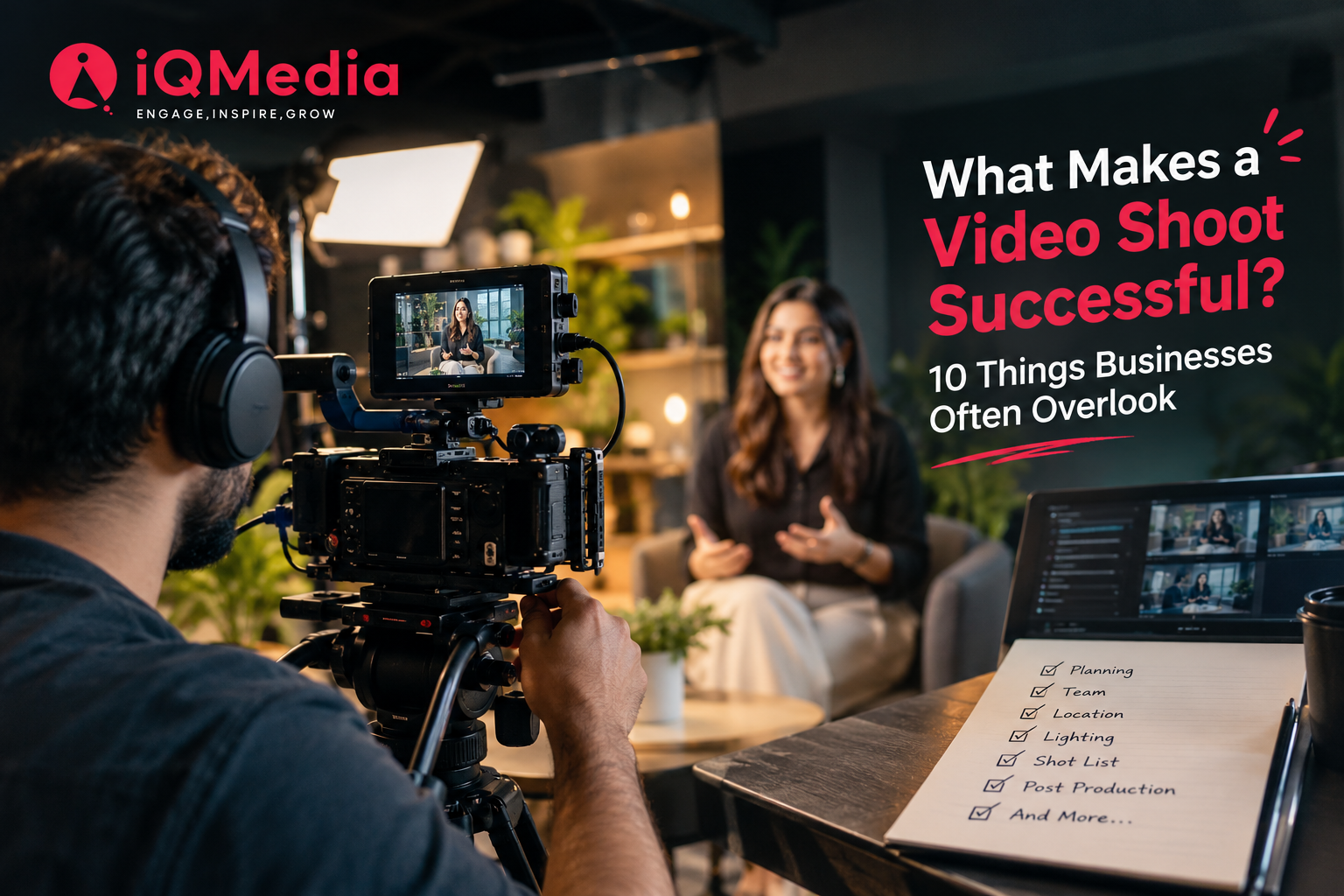
A business video can look impressive and still fail to deliver its message. Sometimes the problem is unclear planning. In other cases, important footage is missing, the audio is difficult to hear, or the final edit does not suit the intended audience.
A successful video shoot is not simply about using good cameras. It is about capturing the right story, communicating it clearly, and creating content that serves a business purpose. Whether you are planning a company profile, product advertisement, customer testimonial, or social media campaign, a few overlooked details can make a noticeable difference.
Here are 10 practical factors businesses should consider before investing time and money in video production.
1. Start With a Clear Business Objective
Before booking a shoot, ask one simple question: What should this video achieve? A company introduction may need to build trust, while a product video should explain features and help potential customers make an informed decision.
Without a clear objective, the shoot can become a collection of attractive scenes without a consistent message.
Write down the main purpose, the audience you want to reach, and the action viewers should take next. This gives the production team a practical direction for scripting, filming, and editing.
2. Understand What Your Audience Actually Needs
Businesses often focus on what they want to say rather than what viewers want to know. Customers may care more about how a product solves a problem than how long the company has been operating.
Think about the questions your audience commonly asks. A manufacturing company might need to demonstrate its production process, while a professional service provider may benefit from explaining its approach and introducing its team.
When the content answers genuine questions, it feels more useful and less like a sales pitch.
3. Prepare the Script and Shot List Before Filming
A script helps keep the message focused, while a shot list ensures the crew knows which visuals to capture. Skipping this preparation can lead to repeated takes, wasted shooting time, and missing footage.
Before the shoot, confirm the key talking points, interview questions, locations, people involved, and essential scenes. For complex projects, a storyboard can help everyone understand how the final video should flow.
Practical check: Review the plan with the people responsible for approving the video before filming begins.
4. Check the Location and Shooting Conditions
A location might look perfect in person but create problems on camera. Background noise, poor lighting, crowded spaces, and restricted access can affect both the footage and the schedule.
Visit the location beforehand whenever possible. Check available space, power sources, natural light, noise levels, and any permissions needed. For outdoor shoots, prepare for weather changes and changing daylight.
A short location check can help the crew avoid preventable delays and spend more time capturing useful footage.
5. Never Treat Audio as an Afterthought
Viewers may tolerate a simple visual style, but unclear dialogue can quickly make a video frustrating to watch. This is especially important for interviews, corporate presentations, training videos, and customer testimonials.
Test microphones before recording, monitor sound levels, and listen for traffic, machinery, air conditioning, or other distracting noises. If several people are speaking, make sure each voice is captured clearly.
Clean audio recorded during the shoot also gives the editor more flexibility during post-production.
6. Plan Lighting and Framing for the Final Platform
Lighting affects how people, products, and spaces appear on screen. Poorly positioned lights can create harsh shadows, while inconsistent framing can make separate scenes feel disconnected.
The team should check the subject, background, camera angle, and lighting before recording. It is also important to consider where the video will appear.
A website introduction, YouTube video, and vertical social media reel may require different framing. Discuss these formats before the shoot so important details are not accidentally cropped out.
7. Capture Supporting Footage, Not Just Main Scenes
Supporting footage, also known as B-roll, helps bring a story to life. It may include employees at work, close-ups of products, machinery in operation, or customers using a service.
Without enough supporting footage, the final edit may rely too heavily on interviews or repeated shots. Relevant B-roll gives viewers a clearer picture of what the business does and helps the editor connect different parts of the story.
Prepare a list of supporting shots in advance, including wide views, close-ups, and details that demonstrate the main message.
8. Keep the Video Consistent With Your Brand
A professional video should feel like it belongs to your business. Inconsistent logos, outdated information, mismatched colours, or an unsuitable tone can distract viewers from the message.
Share your brand guidelines, approved logos, product details, and preferred communication style with the production team. Check names, figures, titles, and other factual information before final approval.
Brand consistency does not mean placing a logo in every scene. It means making sure the visuals, language, and overall presentation reflect the business accurately.
9. Evaluate the Production Team and Editing Process
Choosing a production partner involves more than comparing camera equipment or the lowest quote. Businesses should review relevant portfolio examples, communication practices, project timelines, revision terms, and what the quoted price includes.
An experienced video production company in Coimbatore should be able to explain how it approaches planning, filming, and delivery. Ask who will coordinate the shoot, how feedback will be handled, and whether the team can provide the formats you need.
Post-production deserves equal attention. A capable video editing company in Coimbatore can organise footage, improve pacing, refine sound, add suitable graphics, and maintain brand consistency. If you already have raw footage, a video editing agency in Coimbatore may be the more appropriate option.
Compare proposals based on the work included, not just the headline price. Clear expectations help reduce misunderstandings later.
10. Plan How You Will Use the Finished Video
The shoot should not end with a video that has nowhere to go. Before filming, decide whether the content will appear on your website, social media, YouTube, presentations, or advertising campaigns.
This decision can influence video length, aspect ratio, captions, graphics, and the additional footage required. A single planned shoot may also provide suitable material for shorter clips, depending on the concept and footage captured.
For businesses comparing media production companies in Coimbatore, it is worth asking whether the team can support the complete process or only selected stages. A corporate video production company in Coimbatore may help with company profiles, employee interviews, process demonstrations, and other business communication needs.
Frequently Asked Questions
1. What makes a video shoot successful?
A successful shoot combines a clear objective, audience-focused planning, good audio and lighting, relevant footage, and effective editing. The finished video should communicate its intended message and meet the requirements agreed before production.
2. How can a business prepare for a video shoot?
Define the objective, prepare a script and shot list, confirm the location, brief the people involved, and arrange the required equipment and brand assets. Finalise the schedule and approval process before filming.
3. Why is professional video editing important?
Editing brings the footage together into a clear story. It can improve pacing, sound, colour, graphics, and captions while helping the video remain consistent with the brand and its intended platform.
4. What should businesses ask before hiring a video production team?
Ask about relevant portfolio work, the production process, timelines, pricing, revision limits, deliverables, and platform formats. Confirm who manages the project and what happens if the scope changes.
5. Can one video shoot produce content for multiple platforms?
Yes, if the shoot is planned for that purpose. The team can capture suitable footage for a main video and potentially create shorter versions for social media, websites, or presentations. The results depend on the concept, footage, and format requirements.
Conclusion
A successful video shoot comes down to preparation, clear communication, technical quality, and a realistic plan for using the finished content. Paying attention to these details helps businesses make informed production decisions and avoid common problems that can waste time or budget.
For businesses seeking a video production partner, IQMedia provides video production and post-production services, including corporate videos, promotional content, and editing. The right approach begins with understanding your goals and choosing a production process that fits the message you want to share.